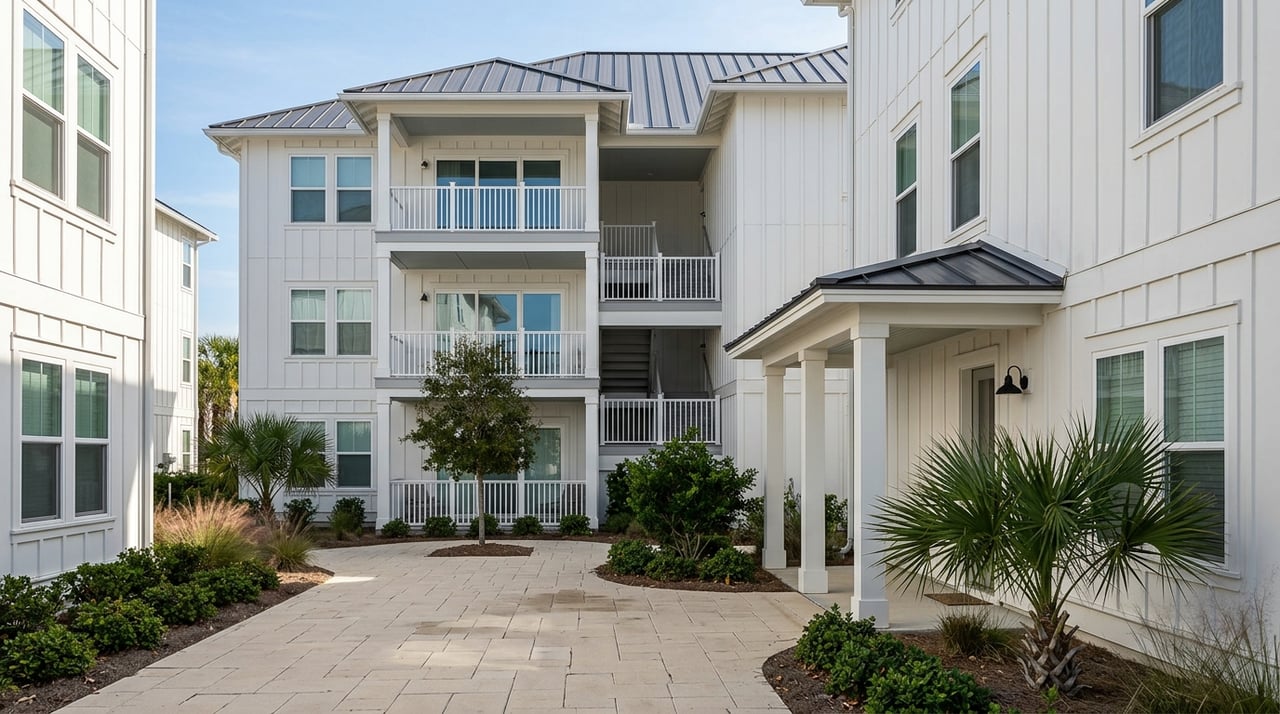
Buying a condo on Jekyll Island is not like buying on the mainland. The land is leased from the State, rentals follow local island rules, and lenders look closely at lease terms and the condo project. If you want a beach escape or an income property, you can absolutely succeed here with the right roadmap. This guide gives you a clear, step-by-step plan, the key documents to collect, and the island-specific rules to know before you write an offer. Let’s dive in.
Jekyll Island condo basics
Jekyll Island homes are sold as leasehold interests. You purchase the structure and a leasehold interest in the land, not the land itself. The Jekyll Island Authority (JIA) administers long-term residential leases, and annual land rent is set at 0.4% of the land’s fair-market value as determined by Glynn County. You can review the leasehold overview and rent formula on the JIA residents page.
- Learn how leaseholds work and see JIA’s rent formula on the JIA residents page: home ownership and property rental.
Leases run for long terms and each parcel or project can differ. Read the recorded lease for the exact expiration date and any amendments. At lease end, certain rights may change, including what happens to improvements, so confirm those details in writing.
Short- and long-term rentals are allowed but regulated. JIA issues annual rental licenses, collects a percentage rent on overnight rentals, and enforces occupancy and reporting rules. Some rental permissions do not transfer automatically at sale. Review the island’s Residential Regulations before you factor rental income into your plan.
There is a range of condo types. You will find traditional condos, cottage-style townhomes, and condo-hotel or resort villas. For example, The Moorings markets new residences “subject to a lease,” which is typical for the island model. Explore a sample project at The Moorings at Jekyll Harbor. Some projects operate like resorts with transient stays, such as Villas by the Sea. Condo-hotel projects can be harder to finance, so discuss the project type with your lender early.
Step-by-step buyer roadmap
1) Research and filter options
- Scan active listings and note whether a unit is a standard condo, a cottage/townhome, or a condo-hotel. Look for mentions of “leasehold” and rental programs.
- Check the FEMA Flood Map Service Center for the building’s flood zone and whether it is in a Special Flood Hazard Area. Start here: FEMA MSC.
- Pull the parcel details and assessed values on Glynn County’s site. These values inform JIA’s land-rent calculation. Use the county’s Property Information page.
2) Choose your agent and get pre-approval
Work with a local agent who understands JIA leases and island condos. Get pre-approved and ask your lender to review the recorded lease and condo documents for eligibility before you make an offer. FHA and other programs have specific leasehold and condo rules. See HUD’s leasehold guidance for why this review matters: HUD leasehold rules.
3) Visit and evaluate the property
Tour the building and common areas. Note roof condition, balconies, stairs, elevator status, and signs of salt exposure. Confirm assigned parking and storage. Coastal maintenance can be higher than expected, so plan accordingly.
4) Write a smart offer with the right contingencies
Ask the seller and HOA for a full document set as part of your offer. At minimum, request:
- Recorded ground or master lease and all amendments.
- Full HOA packet: declaration, bylaws, budget, reserves, insurance, meeting minutes, litigation disclosure, rental rules, and an estoppel letter. HUD’s condo guidance outlines what lenders often require in project review.
- Seller disclosures required under Georgia’s Condominium Act. Buyers typically have a seven-day right to void after receiving the required documents. See Georgia Code § 44-3-111: buyer disclosures and rescission window.
For the HOA packet, use HUD’s checklist as a reference: FHA condo guidance.
5) Use your due diligence period well
Have a local real estate attorney review the recorded lease and HOA documents. Order title work and request leasehold ALTA endorsements to protect your interest. HUD highlights leasehold title considerations here: HUD leasehold title guidance.
Schedule inspections suited to coastal properties. Consider wind/hurricane and moisture checks, and request an elevation certificate if the unit is in or near an A, AE, or VE zone. Verify lender flood insurance requirements through FEMA’s Map Service Center.
6) Confirm financing and project eligibility
Provide your lender with the full HOA packet, recorded lease, and estoppel. FHA and conventional investors like Fannie Mae apply specific tests to leaseholds, condo projects, and condo-hotels. If a project is oriented to transient occupancy, many loan programs will decline it. Lenders use rules like Fannie Mae’s leasehold guidance: Fannie Mae Selling Guide.
7) Prepare for a smooth closing
Confirm your title policy includes the proper leasehold endorsements. Ensure loan documents correctly secure the leasehold interest and that the lease provides lender notice and cure rights where required. FHA guidance explains these protections: HUD leasehold rules.
If you plan to rent, confirm the unit’s current JIA rental license status and whether you must reapply after closing. Review the island’s licensing and percentage-rent requirements in the Residential Regulations.
8) Handle post-closing tasks
If you will occupy the unit, check homestead exemption options with Glynn County. If you will rent, set up JIA percentage-rent reporting and state and local tax remittances. Start with the county’s Property Information page, then coordinate with JIA for license renewals.
What to collect: your document checklist
- Recorded ground or master lease and all amendments.
- HOA packet: declaration, bylaws, current budget, reserve study if available, insurance declarations, 12–24 months of meeting minutes, litigation disclosures, rental rules, owner-occupancy rates, and an estoppel letter.
- Title commitment, prior title policy if available, and leasehold ALTA endorsements.
- JIA rental license history for the unit and any open compliance items.
- FEMA flood panel, elevation certificate, and preliminary flood insurance quote.
- Glynn County tax bills and assessment history for the parcel.
Financing and insurance basics
- FHA leaseholds. FHA considers leaseholds eligible only when the lease meets minimum term and protection requirements. Many programs look for a renewable 99-year lease or at least 10 years remaining beyond loan maturity. Review the specifics in the HUD leasehold rules.
- Conventional loans. Conventional lenders follow investor guides. Fannie Mae requires sufficient lease term, assignability, and acceptable lease language. See the Fannie Mae Selling Guide.
- Condo-hotels. Projects that function like hotels can be ineligible for FHA and many conventional loans. An island example is Villas by the Sea. Ask your lender to classify the project early.
- Flood insurance. Many island buildings lie in Special Flood Hazard Areas. Lenders will require flood coverage when applicable. Confirm zones and elevation at the FEMA Map Service Center.
Red flags that can derail closings
- Short remaining lease term relative to the loan. If the lease expires before or shortly after loan payoff, financing may fail without a lease extension. See HUD leasehold rules.
- Restrictive lease language. Clauses that forbid assignment, limit mortgaging, or require onerous consents can block financing. Lenders reference the Fannie Mae Selling Guide.
- Weak HOA finances or litigation. Low reserves, deficits, or significant lawsuits can doom project approval. Use HUD’s condo documentation expectations as a guide: FHA condo guidance.
- Condo-hotel or heavy transient use. Many loan programs restrict hotel-like projects.
- Missing recorded lease documents. Lenders and title companies need the recorded lease and proper title endorsements. See HUD leasehold title guidance.
- JIA compliance issues. Unpaid percentage rent, a lapsed license, or code citations can affect your ability to rent after closing. Review the Residential Regulations.
When to involve professionals
- Local real estate attorney. Ask them to review the recorded lease and HOA documents for any assignment traps, forfeiture language, or lender-protection gaps. The JIA’s home ownership page is a good primer before your meeting.
- Lender or mortgage broker. Get pre-approval and request a conditional project and leasehold eligibility review as soon as you receive documents. Reference the Fannie Mae Selling Guide and HUD leasehold rules during that conversation.
- Tax advisor or CPA. If you plan to rent, discuss JIA percentage-rent reporting and state and local taxes. Confirm the best approach to income, expenses, and depreciation.
- Title company and surveyor. Request leasehold ALTA endorsements and confirm the lease chain is properly recorded. See HUD leasehold title guidance.
Quick example: how this plays out
Imagine you target a 2-bedroom at The Moorings at Jekyll Harbor. The listing notes that the unit conveys subject to the island lease.
Your document pull would include the recorded master or ground lease and all amendments, the full HOA packet with budget and reserves, an estoppel letter, and the association’s master insurance declarations. You would check the unit’s flood zone and request an elevation certificate, then send everything to your lender to confirm program eligibility. If you plan to offer it as a vacation rental, you would review JIA’s Residential Regulations, confirm license status, and plan for percentage-rent reporting after closing.
Ready to buy with confidence?
A Jekyll Island condo can be a smart lifestyle and investment choice when you understand the leasehold and project details. If you want a clear plan, local expertise, and calm guidance from offer to keys in hand, connect with GK Real Estate Advisors. We will help you evaluate options, align financing, and navigate JIA requirements so you can enjoy the coast with confidence.
FAQs
What does “leasehold” mean on Jekyll Island condos?
- You own the improvements and a leasehold interest in the land, while the State owns the land through the JIA. Annual land rent is 0.4% of the Glynn County assessed land value. See JIA’s overview on home ownership and property rental.
How is JIA land rent calculated for a condo?
- The JIA sets annual land rent at 0.4% of the land’s fair-market value as assessed by Glynn County. Check the parcel’s assessed value on the county’s Property Information page.
Can I short-term rent my Jekyll Island condo?
- Short- and long-term rentals are allowed but require an annual JIA rental license and compliance with occupancy, parking, and reporting rules. Some permissions may not transfer automatically at sale. Review the island’s Residential Regulations.
Can I get FHA or conventional financing for a leasehold condo?
- Possibly. Eligibility depends on the lease term, lease language, and the condo project’s status. FHA and Fannie Mae publish rules that lenders use to approve or decline loans. See HUD leasehold rules and the Fannie Mae Selling Guide.
Do I need flood insurance on Jekyll Island?
- Many buildings sit in FEMA Special Flood Hazard Areas, and lenders require flood coverage when applicable. Check the property’s zone and elevation at the FEMA Map Service Center.