Dreaming of morning walks on quiet beaches, bike rides under live oaks, and a low‑maintenance coastal home base? If Jekyll Island is on your list, you are not alone. The island’s relaxed pace, protected shoreline, and resort conveniences make condo living especially appealing. In this guide, you will learn how condo ownership works on Jekyll, what the leasehold model means, how rentals are regulated, and how to vet a building before you buy. Let’s dive in.
Why Jekyll condos appeal
Beach access and trails
Jekyll Island is known for easy access to wide beaches, with public beach parks like Driftwood Beach and Great Dunes close to many condo clusters. Many buildings sit a short walk or boardwalk from the sand, which keeps daily routines simple. You can also tap into more than 20 miles of paved bike paths that encourage a park‑like way of getting around the island. Explore these amenities on the official island site to picture your day‑to‑day rhythm on Jekyll Island.
Year‑round activities
A beach condo here gives you convenient access to island favorites, including the Georgia Sea Turtle Center, golf, and seasonal attractions like Summer Waves Water Park. The Historic District offers tours and dining, and the calendar features signature events that add energy during peak weekends. The island’s amenities shape both owner lifestyle and guest appeal.
What you can buy
Resort suites vs condos
You will see a mix of hospitality‑style suites and more traditional owner condos. For example, the Jekyll Ocean Club operates as part of a resort environment with all‑suite layouts and on‑site amenities geared to short stays. By contrast, purpose‑built condo and villa communities are designed for owners who use their unit seasonally, rent part time, or live there full time, with association rules and shared facilities.
Typical layouts and finishes
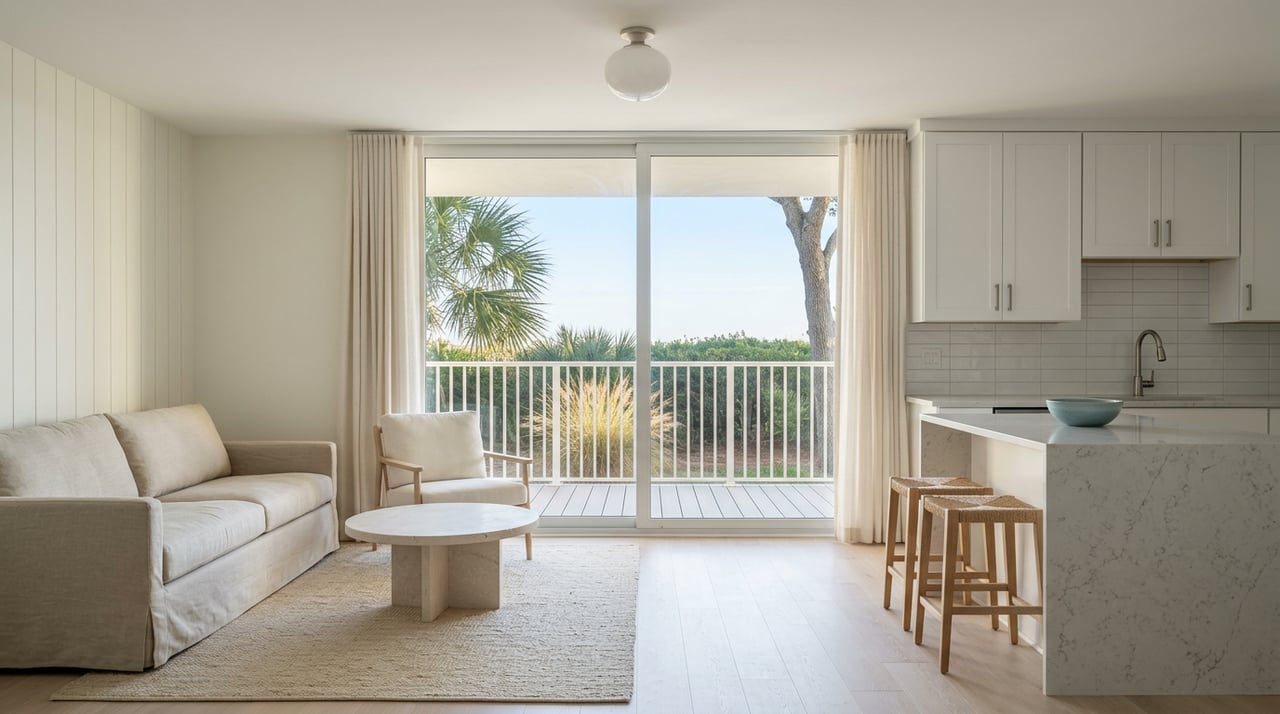
Many condo buildings on Jekyll feature one to two bedrooms, efficient kitchens, and a living area that can convert for guests. Two‑level villas also exist in resort‑style developments. Because vacation renting is common, units are often sold furnished or partially furnished. To visualize common footprints and furnishings, browse a representative rental listing on VRBO.
Proximity to the sand
Listings often highlight whether the unit is oceanfront with balcony views, or set just behind the dunes with a short stroll to a beach crossover. The difference impacts price, rental demand, and daily convenience. When you tour, note the exact path to the beach, boardwalk access, and whether the shoreline is sandy at high tide.
Leasehold ownership explained
Jekyll Island is unique. The State of Georgia owns all land on the island, and homeowners lease the land from the Jekyll Island Authority (JIA) under long‑term residential leases. You own the structure, not the fee‑simple land. Residential leases expire in different years across the island, and owners pay annual lease rent to JIA in addition to property taxes and any HOA dues. Review the JIA’s homeowner guidance on home ownership and property rental.
What this means for you:
- The leasehold model can affect financing, resale, and long‑term planning. Some lenders prefer experience with leaseholds and may ask for additional documentation.
- Lease terms control what happens at expiration, so confirm the expiration year and any renewal framework before you write an offer.
- Budget for annual lease rent alongside HOA dues and taxes.
Renting your condo
If you plan to rent your condo overnight, JIA requires a rental license and compliance with reporting rules. Owners remit state and local lodging taxes, the state hotel‑motel fee, and a percentage rent to JIA, commonly noted as 3 percent of gross rental revenues, in addition to any HOA rules. Confirm current rates, filing frequency, and steps directly with the Authority on the JIA’s home ownership and property rental page.
Seasonal patterns matter. Visitor demand typically peaks late spring through summer, plus around special events. The Shrimp & Grits festival, for example, is a well‑known draw in the Historic District that can boost bookings on specific weekends. Check the event details on the island’s Shrimp & Grits Festival page when mapping out a rental calendar.
Compliance and guest care:
- Obtain the JIA rental license before accepting bookings.
- Set up tax collection and remittance processes.
- Use a reliable local property manager or on‑island contact for turnovers, guest support, and inspections.
- Provide clear instructions for parking, trash, and quiet hours that align with community rules.
HOA costs and coverage
Association fees vary by building, size, and amenities. On Jekyll, condo dues often cover a mix of common utilities, grounds and pool maintenance, and insurance for common elements, including flood coverage for those elements in many cases. Exact inclusions differ by community and master insurance policy.
Smart steps:
- Get a line‑item breakdown of what dues cover, and ask whether any special assessments are planned.
- Review the master insurance certificates, including wind and hurricane deductibles.
- Request recent HOA budgets and reserve studies to understand long‑term maintenance planning.
Financing coastal condos
Condo loans involve borrower underwriting and project review. Small or rental‑heavy buildings sometimes call for specialty or portfolio lenders. If the building sits in a FEMA Special Flood Hazard Area, flood insurance is required by most regulated lenders, and underwriters will review the association’s master policy, wind coverage, and reserves. For a deeper dive into what lenders look for on Jekyll, read this primer on financing Jekyll Island condos.
Tips to get ready:
- Get pre‑qualified with a lender experienced in coastal condos.
- Ask your lender for the project review checklist early.
- Price flood and wind insurance before you finalize an offer.
Smart due diligence checklist
Use this short list during your first pass at any Jekyll Island condo:
- Confirm the unit’s tenure: leasehold status and the lease expiration year. Start with the JIA guidance on home ownership and property rental.
- Request a recent HOA package: budget, 2 to 3 years of financials, the latest reserve study, and insurance certificates. Here is a helpful overview of what to ask from a national perspective in the Washington Post’s guide to investigating a condo before buying.
- Ask for a dues breakdown showing common utilities, flood coverage for common elements, amenity operations, and whether special assessments are planned.
- Pull FEMA flood maps for the parcel and obtain preliminary flood insurance quotes. The state archives host public resources for flood mapping and coastal planning.
- If you plan to rent, confirm JIA rental licensing steps, percentage rent reporting, and local occupancy or parking rules on the JIA’s home ownership and property rental page.
- Talk with local property managers about occupancy trends, average daily rates, and management fees for the specific complex.
Everyday rhythm and living tips
Many owners use their units as seasonal second homes or weekend getaways, and some are winter snowbirds. Expect more visitors during late spring and summer, plus periodic surges around events. On typical days you will see an easygoing mix of biking, walking, and golf‑cart traffic, which keeps island circulation calm. Check the island’s official site for a current view of amenities and logistics on Jekyll Island.
Insurance and long‑term planning should stay on your radar. Coastal properties face flood and wind exposure, and premiums depend on building elevation, flood zone, and policy deductibles. The island’s planning documents recognize sea‑level rise and coastal erosion as long‑term factors. For context, review a state‑hosted summary of the island’s master planning and conservation considerations before you decide on a multi‑decade hold.
Is a Jekyll condo right for you?
Choose Jekyll if you value a low‑key, park‑like island with easy beach access and strong rental demand during peak seasons. Be comfortable with the leasehold structure, association rules, and rental licensing requirements, and plan to do thorough due diligence on HOA health and insurance. If that fits your goals, a Jekyll condo can be a practical and joyful coastal base.
Ready to map options, compare buildings, and run numbers with a local advisor? Reach out to GK Real Estate Advisors to start a focused search and make a clear, confident decision.
FAQs
What does leasehold ownership mean on Jekyll Island?
- The State of Georgia owns the land, and homeowners lease it from the Jekyll Island Authority under long‑term residential leases while owning the structure; owners pay annual lease rent plus taxes and any HOA dues, per the JIA’s home ownership guidelines.
Can I short‑term rent a Jekyll Island condo?
- Yes, but you must obtain a JIA rental license and remit lodging taxes, the state hotel‑motel fee, and percentage rent to JIA that is commonly noted as 3 percent of gross rental revenues; confirm current details with the JIA’s rental guidance.
How close are condos to the beach on Jekyll?
- Many buildings sit steps from the sand or a short stroll behind the dunes; some are true oceanfront with balcony views, while others are set just inland with boardwalk access to public beach parks listed on Jekyll Island’s site.
What do HOA fees usually cover on Jekyll?
- Coverage varies by building, but dues often include some common utilities, grounds and pool maintenance, and insurance for common elements, with flood coverage for those elements in many cases; always review the HOA budget, reserve study, and insurance certificates.
How do storms affect insurance and costs for condos?
- Lenders and buyers look closely at flood zones, elevation, and master insurance, including wind or hurricane deductibles; price insurance early and review project reserves, as outlined in our guide on financing Jekyll Island condos.
Are resort suites the same as owner condos?
- No, hospitality‑style suites, like those at Jekyll Ocean Club, are oriented to short stays with hotel services, while purpose‑built condos and villas operate under association rules and are better suited to seasonal owner use, part‑time renting, or full‑time living.