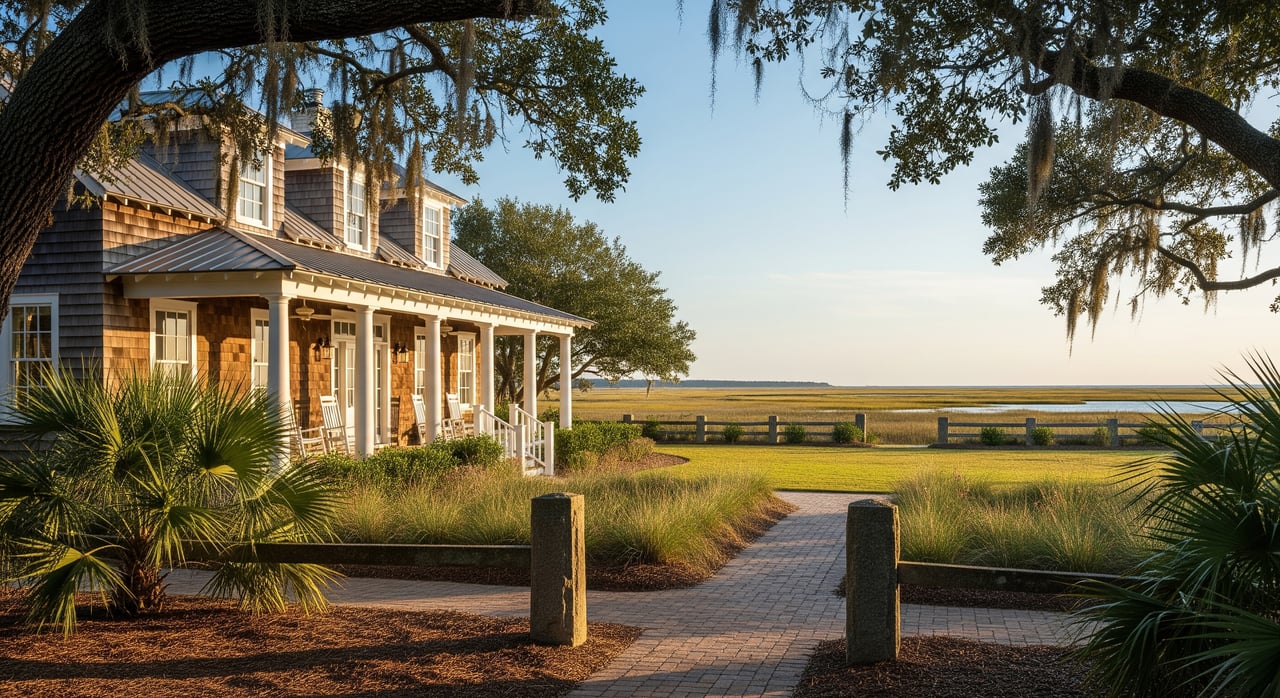
Buying on Jekyll Island feels different from buying on the mainland. You may hear terms like land lease, ground rent, and architectural review, then wonder what they mean for your plans. You want a place you love without surprises later. In this guide, you’ll learn the essentials of Jekyll Island land leases and HOAs so you can buy or sell with confidence. Let’s dive in.
Leasehold vs. fee simple on Jekyll Island
Many Jekyll Island properties sit on land managed by a public authority. That means you often buy the building and improvements, but the land itself is controlled under a long-term ground lease. Some neighborhoods are also governed by an HOA and island-wide regulations. Understanding the structure up front will shape your financing, rights, and long-term costs.
How to confirm what you own
- Ask whether the property is fee simple or leasehold, and request a copy of the signed ground lease and any amendments.
- Check recorded documents with Glynn County to confirm lease status and terms.
- Contact the lessor or the island’s managing authority to verify consent requirements, payment history, and any outstanding obligations.
Key ground-lease terms to review
- Lease duration and expiration: Remaining term at closing and any renewal or extension rights.
- Ground rent: Amount, payment schedule, and how it adjusts over time.
- Assignment and consent: What approvals are needed to sell or transfer your leasehold.
- Mortgaging rights: Whether lenders can secure a loan against the improvements and what protections a lender has.
- Improvements and surrender: Who owns the improvements at the end of the lease and what must be removed or restored.
- Taxes, insurance, and utilities: Which party pays each item and how obligations are allocated.
- Default and remedies: What triggers default and the lessor’s remedies, including potential termination.
- Condemnation: How any proceeds are handled if land is taken for public use.
How lease terms affect price and resale
Leasehold properties often sell at a discount compared with similar fee-simple homes. The pool of lenders and buyers can be smaller, especially if the remaining lease term is short. Marketability improves with clear renewal rights, predictable rent escalations, and documented lender protections. Strong documentation and early lender conversations help you avoid delays.
HOA basics that matter here
Many Jekyll Island homes and condos belong to an HOA that manages common areas, sets covenants, and enforces rules. Because there is also an island-wide review process, expect more coordination and clear standards for exterior changes. Knowing the HOA’s financial health and rules helps you plan for costs and lifestyle fit.
Documents to collect and read
- Declaration/CC&Rs, bylaws, rules and regulations, and architectural guidelines
- Recorded plats and recent meeting minutes
- Current budget, financial statements, bank statements, and any reserve study
- Insurance certificates and a roster of owners and renters if available
Rules to review before you commit
- Rentals and STRs: Registration, minimum stay, and guest policies can impact your rental plan.
- Exterior work: Paint, roofing, windows, and landscaping often require approval.
- Pets, parking, and maintenance: Everyday quality-of-life items that affect how you use the property.
Fees, reserves, and special assessments
Look at the dues history and the current budget to understand ongoing costs. Review reserve funding for future projects, especially in coastal locations where wear and storm exposure are factors. Ask about any planned capital projects or special assessments so you can budget accordingly.
Enforcement and disputes
Associations can charge late fees and attorney fees for unpaid dues and may record a lien. Ask about recent enforcement trends and any owner disputes. Request disclosure of pending litigation and insurance claims, including storm-related losses.
Financing, title, and insurance on the island
Financing and insurance work differently on leasehold property and in coastal zones. Start early and confirm what lenders and insurers will require. Align your timeline with the steps below.
Mortgageability for leaseholds
Many conventional lenders set minimum remaining lease-term requirements. Some require lease provisions that protect lenders, such as subordination or a non-disturbance agreement. Ask your lender up front about requirements for leasehold loans, estoppel letters, and any title endorsements they expect. Getting clarity early can save weeks during underwriting.
Title, survey, and permits
Order a title commitment that lists the ground lease, easements, and any recorded covenants. A current ALTA survey helps confirm boundaries, setbacks, and encroachments. Verify that any past renovations received the necessary approvals and permits, and confirm the process for future exterior changes.
Flood and insurance considerations
Jekyll Island is coastal, so confirm the property’s flood zone and obtain an elevation certificate if available. Review what the HOA’s master policy covers if you are buying a condo, then size your personal coverage for the structure, contents, and liability. Lenders may require flood insurance based on FEMA flood maps and local elevation.
Buyers: your first steps
Use this simple checklist to start strong:
- Verify ownership type: Confirm leasehold vs. fee simple and get the complete lease and amendments.
- Engage lenders early: Ask about remaining term requirements, lease provisions, and needed documents.
- Request estoppels: Get written confirmations from the lessor or island authority about rent status, consent needs, and any outstanding obligations.
- Collect HOA docs: CC&Rs, rules, budgets, reserves, minutes, insurance, and disclosure of planned projects.
- Order title and survey: Ensure the title commitment and survey capture the lease, easements, and boundaries.
- Complete inspections: Include standard home, pest, and moisture checks, plus coastal items like elevation and shoreline condition where relevant.
- Protect in contract: Add contingencies for lease review, HOA review, lender approval, estoppel delivery, title and survey, and inspections.
Sellers: make your sale smoother
Preparing a thorough file helps your property stand out and reduces surprises:
- Assemble the complete lease: Include all amendments and any correspondence or approvals.
- Provide HOA materials: CC&Rs, rules, budgets, financials, minutes, insurance, and any reserve study.
- Obtain estoppels or confirmations: Show ground rent status and whether consent is needed for transfer.
- Summarize recurring costs: Ground rent, land-use fees, HOA dues, and typical utility costs.
- Disclose projects: Share any planned HOA assessments or island-level projects that touch your parcel.
- Document improvements: Provide permits, approvals, and warranties for work completed.
Real-world scenarios to consider
- A buyer finds a lease with only a modest term left. Several lenders decline, so the parties negotiate an extension with the lessor before closing. The deal moves forward once the lender’s lease-term requirement is met.
- An investor plans short-term rentals but learns the HOA has a minimum stay rule. The buyer revises the business plan to focus on seasonal stays and proceeds after confirming the numbers still work.
Work with a local advisor
You do not need to navigate leases, approvals, and HOA rules alone. A local, education-first approach helps you compare options, line up financing, and coordinate with the island’s review processes. If you are weighing Jekyll Island against nearby islands, a clear side-by-side on ownership models and HOA costs can be invaluable.
If you are exploring your next move, reach out to GK Real Estate Advisors for a thoughtful conversation about your goals and a plan that fits.
FAQs
Are Jekyll Island homes usually leasehold or fee simple?
- Many properties are subject to a recorded ground lease, so you should confirm ownership type with county records and the seller’s documents.
Can you get a mortgage on a Jekyll Island ground lease?
- Yes, but requirements vary by lender and loan product, so consult lenders early to confirm remaining lease-term rules and needed documents.
What happens when a ground lease expires on Jekyll Island?
- Outcomes depend on the lease, which may provide for renewal, termination with reversion of improvements, or another negotiated arrangement.
Do you need approval to renovate a Jekyll Island home?
- Exterior changes often require HOA approval if applicable and separate island-level architectural or planning approvals.
How do HOA rental rules affect short-term rentals on Jekyll Island?
- Many HOAs set rental rules such as registration and minimum stays, which can limit or shape your rental strategy.
Who pays taxes and insurance on a leasehold property on Jekyll Island?
- Lease terms vary, but leaseholders commonly pay taxes on improvements and carry their own insurance while HOAs may insure common areas.
What are the biggest risks when buying on Jekyll Island?
- Short remaining lease terms, steep rent escalations, limited lender options, HOA financial weaknesses or special assessments, and coastal hazards like flooding are key risks to review.