If you are getting ready to sell on Jekyll Island, your pre-listing plan needs to go beyond decluttering and fresh photos. This is a unique market where land-lease terms, coastal maintenance, flood considerations, and permit records can all shape buyer interest and pricing. A thoughtful checklist can help you avoid surprises, present your home well, and go to market with confidence. Let’s dive in.
Why Jekyll Island prep is different
Selling a home on Jekyll Island is not the same as selling a typical fee-simple property. According to the Jekyll Island Authority, the State of Georgia owns the land, while homeowners hold a land-lease interest in the home and improvements. Current residential leases expire anywhere from 2049 to 2088, which means buyers will want clear information about the remaining lease term.
That local structure affects more than paperwork. Annual lease rent, maintenance fees, property taxes, permit history, and any past overnight rental use can all matter when a buyer evaluates your property. That is why a local seller checklist is so important before you pick a list date.
Start with visible home maintenance
Before you tackle documents and due diligence, focus on the items buyers will notice first. A clean, well-kept home helps create a stronger first impression and can reduce concerns during showings and inspections. Routine maintenance also helps prevent small issues from turning into larger repair items.
Refresh the exterior
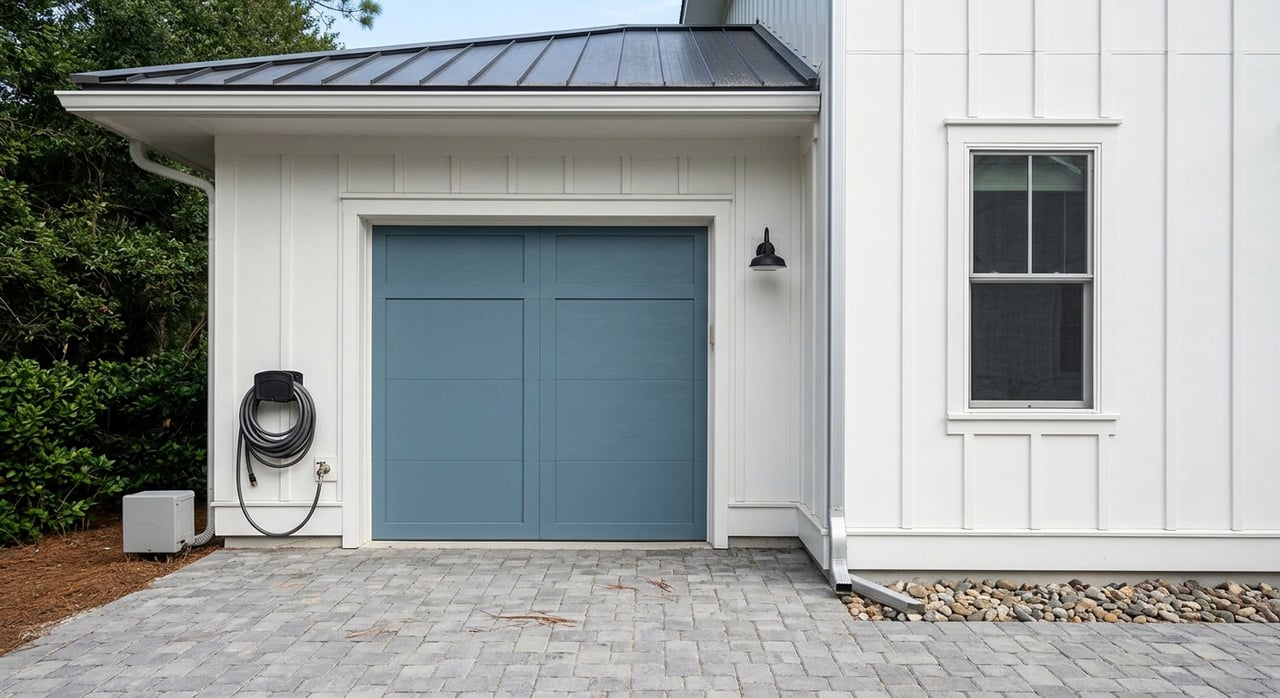
Your exterior sets the tone for every showing. Clean the siding, entry, walkways, and driveway so the home feels cared for from the start. Touch up peeling, chipping, blistering, or chalking paint where needed.
Take a close look at siding, trim, caulking, windows, doors, and roof flashing. Clean gutters and downspouts and make sure they move water away from the home. Trim branches that scrape the roof or hang too close to the structure.
Watch for coastal wear
Jekyll Island homes deal with salt air, humidity, and storm exposure. NOAA notes that salt spray can speed up corrosion of building materials, so rusted railings, exterior hardware, light fixtures, and exposed fasteners should not be ignored. What looks cosmetic at first can signal broader wear.
You should also check for mildew, water intrusion, and soft or decayed materials around doors, windows, trim transitions, and other exposed areas. High humidity can contribute to moisture issues and termite risk, so this part of the checklist deserves extra attention.
Tidy the interior systems
Inside the home, focus on simple fixes that help buyers feel confident. Service the HVAC system, replace filters, and check for leaks at sinks, toilets, laundry hookups, and the water heater. Test smoke alarms and carbon monoxide detectors.
Minor defects can stand out in listing photos and inspections. Repair cracked glass, worn shingles, damaged caulk, and visible water stains before your home goes live. These small updates can make your home feel more move-in ready.
Review flood and storm-related details
On a barrier island, buyers often look closely at flood exposure and storm readiness. If your home is in a flood-prone area, make sure your records are organized before listing. This helps you answer questions clearly and avoid last-minute scrambling.
Gather your flood file
Glynn County states that homeowners insurance does not cover flooding, and flood insurance is separate. The county also notes that a new flood insurance policy has a 30-day waiting period before it becomes effective. If your property has flood coverage, have that policy information ready.
If you have an elevation certificate, include it in your seller file. Glynn County says homes in the floodplain need an elevation certificate to obtain a building permit, so this document can also help support permit-related questions.
Confirm floodplain work was handled properly
If you completed improvements in the floodplain, double check that permits and approvals are in order. Glynn County says all development in the floodplain requires a permit. It also states that if floodplain work equals or exceeds 50 percent of the building’s market value, the building must meet the same construction requirements as a new building under NFIP rules.
That does not mean every seller has a problem. It does mean you should confirm the file is complete before spending more money on updates or setting a launch date.
Prepare for storm season showings
Atlantic hurricane season runs from June 1 through November 30, according to NOAA. If you are listing during that window, secure loose outdoor items, trim branches, and make sure shutters or other storm-protection features work properly. Buyers notice whether a coastal home appears ready for seasonal weather.
Check permits before you spend more money
One of the most important steps before listing is confirming that past work was properly reviewed and signed off. This is especially true on Jekyll Island, where the Jekyll Island Authority adds another layer of oversight beyond county requirements. If you are considering a last-minute renovation, pause and verify the rules first.
Know which projects may require approval
Glynn County says many projects require permits before work begins, including additions, structural changes, pools, outdoor structures, site work, demolition, and certain trade work. On Jekyll Island, residential regulations may also require review through the Design Review Group or the Code Compliance Officer, followed by inspections and final completion sign-off.
That means remodels, additions, fences, pools, accessory buildings, and similar work should be checked carefully. If you are unsure whether a project was approved, gather the records now rather than waiting for a buyer to ask.
Avoid pre-listing renovation mistakes
It can be tempting to start a big improvement project right before listing. On Jekyll Island, that decision should be weighed carefully against permit timing, floodplain rules, and local review requirements. In many cases, a strong prep plan focused on maintenance, presentation, and documentation is more useful than rushing into a major project.
Gather your Jekyll Island seller documents
Once the home looks its best, turn to the paperwork. A complete listing file helps buyers understand the property and gives your agent the details needed to market it accurately. On Jekyll Island, this step carries more weight because of the land-lease structure.
Pull ownership and leasehold records
Start with the deed and any recorded easements or restrictions. Glynn County says the Clerk of Superior Court maintains an index and copies of recorded real property documents, so this is where ownership records can be confirmed.
For Jekyll Island homes, also gather the leasehold paperwork, remaining lease term, annual lease rent statements, and any Jekyll Island Authority correspondence related to the property. The JIA states that homeowners own the structure but lease the land, and annual rent is based on 0.4 percent of the fair market value of the leased land as determined by the Glynn County Tax Assessor.
Organize tax and insurance records
Have your most recent property tax bill and assessment notice ready. Glynn County’s Tax Commissioner says tax bills are issued to the owner of record as of January 1. You should also include your insurance declarations page, any flood insurance policy, and your elevation certificate if you have one.
These records help answer common buyer questions early. They also support a smoother conversation around carrying costs and property history.
Collect repair and permit history
If you have completed major repairs, renovations, or system updates, gather the paperwork in one place. Include permits, final inspections, warranties, service contracts, appliance manuals, and invoices. This can help support disclosure accuracy and buyer confidence.
On Jekyll Island, approved work may involve both county permitting and JIA review, inspections, and final sign-off. Having that documentation ready can make your listing feel much more complete.
Add rental records if applicable
If the home has been used for overnight rentals, pull those records before listing. The Jekyll Island Authority says owners must have a rental license and pay percentage rent for overnight rentals. Buyers considering personal use, second-home use, or investment use may ask about that history.
Prepare a clear disclosure packet
Your disclosure packet should be factual, organized, and complete. In Georgia, caveat emptor is the general rule in real property sales, but sellers can still face claims if they know about serious defects and fail to disclose them. A well-prepared packet helps you communicate clearly and reduce confusion.
Include lead-based paint disclosures if needed
If your home was built before 1978, prepare the required federal lead-based paint disclosure materials. Sellers of most pre-1978 housing must disclose known lead-based paint hazards, provide available reports, and provide the Protect Your Family from Lead in Your Home pamphlet. Buyers must also be given a 10-day opportunity to test for lead hazards.
Stick to facts
Keep your disclosures simple and accurate. If there has been water intrusion, a repair, a permit issue, or a system replacement, document it clearly with dates and supporting paperwork when possible. Buyers tend to respond well when the story of a home is easy to follow.
A practical pre-listing checklist
If you want a simple working list, start here:
- Clean exterior surfaces, walks, and driveway
- Touch up peeling or damaged paint
- Inspect siding, trim, caulking, windows, doors, and roof flashing
- Clean gutters and downspouts
- Trim branches away from the roof and structure
- Check for rust, corrosion, mildew, and soft exterior materials
- Service HVAC and replace filters
- Check plumbing fixtures and the water heater for leaks
- Test smoke alarms and carbon monoxide detectors
- Repair cracked glass, damaged caulk, shingles, and minor water stains
- Gather flood insurance records and elevation certificate if available
- Confirm floodplain permits and construction records if applicable
- Secure outdoor items and check storm-protection features
- Pull deed, easements, restrictions, and leasehold paperwork
- Gather annual lease rent statements and JIA correspondence
- Collect tax bills, insurance declarations, and assessment notices
- Organize permits, final inspections, warranties, and repair invoices
- Add rental license and overnight rental records if applicable
- Prepare required lead-based paint disclosures for pre-1978 homes
Why this checklist helps your sale
A strong launch is not just about making your home look attractive. On Jekyll Island, it is also about giving buyers a complete picture of the property, the leasehold structure, and the home’s maintenance and permit history. When you prepare early, you give yourself more room to price thoughtfully, market clearly, and negotiate from a stronger position.
If you want a local strategy built around your home’s lease term, flood status, permit history, and overall marketability, start with a complimentary home valuation from GK Real Estate Advisors.
FAQs
What makes selling a home on Jekyll Island different?
- Jekyll Island homes are on leased land owned by the State of Georgia, so buyers often review the remaining lease term, annual lease rent, permit history, flood details, and any rental use before making an offer.
What documents should Jekyll Island sellers gather before listing?
- You should gather your deed, easements or restrictions, leasehold paperwork, annual lease rent statements, tax bill, insurance records, flood policy, elevation certificate if available, permits, final inspections, warranties, and major repair invoices.
Do Jekyll Island sellers need to disclose overnight rental history?
- If the property has been used for overnight rentals, it is smart to gather the rental license and related records because the Jekyll Island Authority requires a rental license and percentage rent for that use.
Should Jekyll Island homeowners check permits before making updates?
- Yes. Glynn County says many projects require permits, and Jekyll Island residential work may also need JIA review, inspections, and final sign-off before it is considered complete.
Why do flood records matter when selling a Jekyll Island home?
- Buyers may ask about flood insurance, elevation certificates, and any floodplain improvements because Glynn County treats flood insurance separately from homeowners insurance and requires permits for floodplain development.
What repairs matter most before listing a Jekyll Island home?
- Focus first on visible maintenance and coastal wear, including exterior cleaning, paint touch-ups, rust or corrosion, mildew, leaks, caulking, gutters, roof details, and basic HVAC and safety checks.