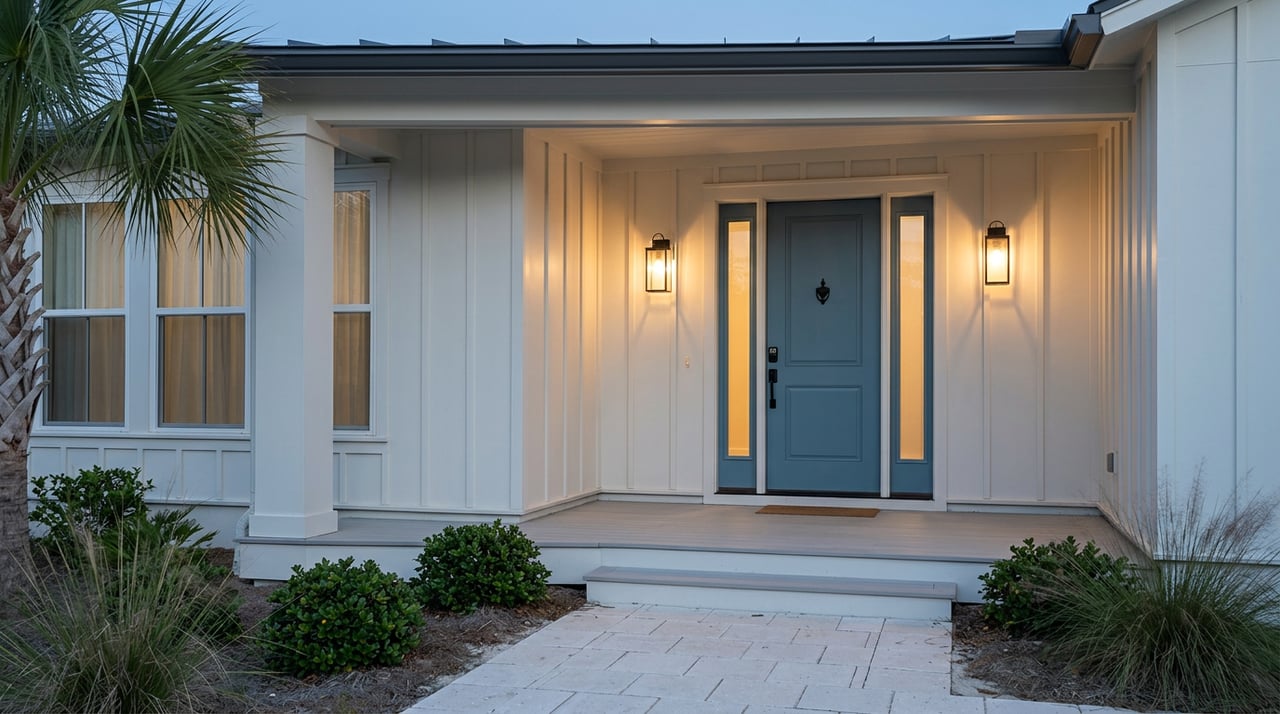
Picture this: beach mornings, bike rides under live oaks, and reliable guest bookings helping cover your costs. If you are eyeing a vacation rental on Jekyll Island, you also need to know it runs on a unique leasehold system, not typical fee simple. That means special fees and rules that change how the numbers work. In this guide, you will see what you pay, how returns pencil out, and what to check before you write an offer. Let’s dive in.
Who this guide is for
If you are a second‑home buyer, you likely want a place you love that can help offset carrying costs when you are not in town. If you are an investor, you want disciplined underwriting, consistent demand, and a clear plan for management. Jekyll Island can serve both goals when you accept the leasehold model, follow the rules, and budget carefully for taxes and fees.
Jekyll Island at a glance
Jekyll Island and the Golden Isles attract strong leisure travel, events, and conference business. Regional reports cite roughly 3.5 million annual visitors to the area, which supports hotel and short‑term rental demand throughout the year, with the biggest spikes in summer and on holiday or event weekends. You will see seasonality in both occupancy and rates, so plan for a busy summer and slower winter shoulder periods. Georgia Trend’s coverage of the Golden Isles outlines these demand drivers.
Supply is also intentionally limited. Jekyll’s master plan caps developed acreage, which helps support long‑term values by limiting new construction. You can read more about the development limits in the state’s planning documents for the island’s authority-managed lands (documented here).
What you will pay and collect
Ownership model basics
You do not buy fee-simple land on Jekyll Island. The State owns the land, and homeowners hold long‑term leaseholds administered by the Jekyll Island Authority (JIA). Under the standard residential lease, annual ground‑lease rent is calculated at 0.4% of the land’s fair‑market value, as determined by the county tax assessor. At the end of a lease term, improvements may revert per the lease language, so review the exact lease for the lot you are considering. See the JIA’s overview of homeownership and rental requirements on its official resident page.
Rental license and operating rules
Overnight rentals require a JIA rental license. The JIA residential regulations define short‑term vacation rentals (less than 30 consecutive days), require life‑safety gear, set parking and trash standards, and specify a local contact who can respond to issues. Occupancy limits are enforced and are commonly described as two adults per bedroom plus two additional occupants, with children under 16 not counted in that headcount. Read the JIA’s Residential Regulations, Chapter G before you list or buy.
Taxes and percentage rent
Budget for the following on short‑term rental income:
- Georgia sales tax and the state hotel‑motel excise of 5 dollars per room night. Details are in the state’s guidance on accommodations and excise taxes (see the official document).
- Glynn County Accommodation Excise Tax, currently 7% in unincorporated areas. The county manages registration and filings; confirm exact processes for your property.
- JIA percentage rent on gross overnight rental revenue. JIA materials list a 3% percentage rent that owners remit to the Authority, in addition to annual ground‑lease rent. See the JIA’s homeownership and rental page for the current schedule.
Glynn County also runs a short‑term rental certificate program and a complaint process. Review the county’s short‑term rental information to understand filing and enforcement at the county level.
Typical operating costs
- Property management: full‑service managers often charge about 20% to 35% of gross revenue, depending on services and program structure. See industry ranges summarized by Hostfully.
- Cleaning and turnover: national guides suggest roughly 100 to 180 dollars per clean for 2–3 bedroom homes, with local quotes varying by size and service level. See examples from Hostaway’s cleaning guide.
- Insurance, utilities, HOA, maintenance, and reserves: these are highly property‑specific. Get local quotes for wind, flood, and property policies early in due diligence.
What returns look like today
Market-wide snapshots are a starting point, not a promise. AirDNA’s Jekyll Island overview recently showed occupancy near 45%, an average daily rate around 384 dollars, and an average listing revenue of about 35.4 thousand dollars per year across unit types. Property performance varies by size, amenity set, proximity to the beach, and management quality. See AirDNA’s Jekyll Island summary for current anchors.
Here is a simple, conservative illustration using those market anchors for a whole‑home rental:
- Inputs: ADR 384 dollars, occupancy 45% → about 164 booked nights per year.
- Gross revenue: 164 nights × 384 dollars ≈ 63,100 dollars.
- Taxes and mandatory fees: sales tax and county accommodation tax at a combined 11% on room revenue ≈ 6,941 dollars; state hotel‑motel excise 5 dollars per night ≈ 821 dollars; JIA percentage rent at 3% ≈ 1,893 dollars. See the state excise guidance (here) and JIA rent details (here).
- Management: assume 25% full‑service program ≈ 15,775 dollars.
- Cleaning: assume 150 dollars per turnover, average 3‑night stays → about 55 cleans ≈ 8,250 dollars.
- Other operating costs and reserves: placeholder 8,000 dollars (insurance, utilities, minor maintenance, HOA if any).
Illustrative net operating income before mortgage: around 21,420 dollars. This example shows the gap between top‑line bookings and what is left after required taxes, fees, management, and operating costs. Your actual numbers will depend on your unit type, location, calendar strategy, and cost structure.
Local rules and compliance
Jekyll Island’s rules are enforced. Before you host, make sure you have the JIA rental license, required life‑safety devices, posted rules, and a local contact who can respond quickly. Follow occupancy, parking, and trash standards outlined in JIA’s Residential Regulations. Also register for county accommodation tax collection and stay current on returns through Glynn County’s process as described on their short‑term rental page.
Risks to consider
- Lease term and reversion: confirm the remaining lease length, annual ground‑lease amount, and any reversion language. Lenders may require a minimum remaining term for financing. See the JIA’s homeownership guidance and discuss terms with your lender.
- Policy and small‑market swings: Jekyll’s development cap limits new supply, but small coastal markets can still see ADR or occupancy shifts year to year.
- Flood, wind, and hurricane exposure: many coastal parcels fall within FEMA VE or AE zones. Lenders typically require flood insurance in Special Flood Hazard Areas, and wind coverage may carry higher deductibles. Review Glynn County’s hazard mitigation resources and secure insurance quotes early.
Questions to answer before you buy
- Get the JIA lease package: full lease text, current ground‑lease amount, expiration date, extension language, and what happens to improvements at lease end. Start with the JIA’s homeownership page.
- Confirm STR licensing: does the home already have a JIA rental license? Are there any outstanding compliance items? Read Chapter G regulations for life‑safety and occupancy details.
- Verify tax obligations: Georgia sales tax, the 5‑dollar state hotel‑motel excise, and the 7% county accommodation tax. Learn collection and filing steps in the state’s official accommodations guidance (see here) and the county STR information page. Confirm what, if anything, your booking platform remits on your behalf.
- Pull operating history: ask for at least 2–3 years of gross revenue, ADR, occupancy by month, expenses, and platform fees. Benchmark with AirDNA’s market data.
- Insurance and flood maps: obtain FEMA flood zone information for the parcel and quote wind, flood, property, and umbrella liability coverage. Use county hazard mitigation resources to understand local risks.
- Financing check: speak with lenders experienced in coastal leaseholds. Confirm acceptable minimum remaining lease term and underwriting for short‑term rentals.
- HOA or condo rules: if applicable, confirm STR permissions, guest registration, parking policies, and insurance responsibilities.
- Local management: interview two to three established managers about cleaning, maintenance, guest profiles, and pricing strategy. Use AirDNA to identify active operators.
Is a Jekyll Island vacation rental right for you?
If you value a low‑key coastal setting with capped development and steady family travel demand, Jekyll Island can be a fit. The leasehold model is different, and the JIA percentage rent, ground‑lease charges, and taxes reduce net yield compared with many fee‑simple markets. That is not a dealbreaker if you underwrite conservatively, plan for seasonality, and choose a property with the right size, location, and management approach. If that sounds like your strategy, you can own a great beach retreat that helps pay its way.
When you are ready to run the numbers on a specific property, talk with an island‑experienced lender, a CPA about rental tax treatment and filings, and a real estate attorney to review the lease. Then partner with a local advisor who knows the rules and the comps. If you would like a clear, data‑driven plan for your search, reach out to GK Real Estate Advisors. Start with a complimentary home valuation and a custom pro forma.
FAQs
What does the Jekyll Island leasehold mean for buyers?
- You own the improvements but lease the land from the State via the JIA, pay annual ground‑lease rent tied to land value, and must follow JIA rules for ownership and rentals.
How do taxes and fees affect short‑term rental income on Jekyll Island?
- Expect Georgia sales tax, a 5‑dollar per night state hotel‑motel excise, a 7% county accommodation tax, and a 3% JIA percentage rent on gross rental revenue.
Are short‑term rentals allowed on Jekyll Island and what are the rules?
- Yes, with a JIA rental license. You must meet life‑safety standards, follow occupancy and parking rules, and provide a local contact as outlined in JIA’s Chapter G.
What are typical management and cleaning costs for a Jekyll Island rental?
- Full‑service management often runs 20% to 35% of gross revenue, and cleaning for a 2–3 bedroom home commonly falls in the 100 to 180 dollar range per turnover.
How strong is visitor demand for Jekyll Island rentals throughout the year?
- Demand is reliable but seasonal, with the highest occupancy and rates in summer and on event weekends, supported by millions of annual visitors to the Golden Isles.