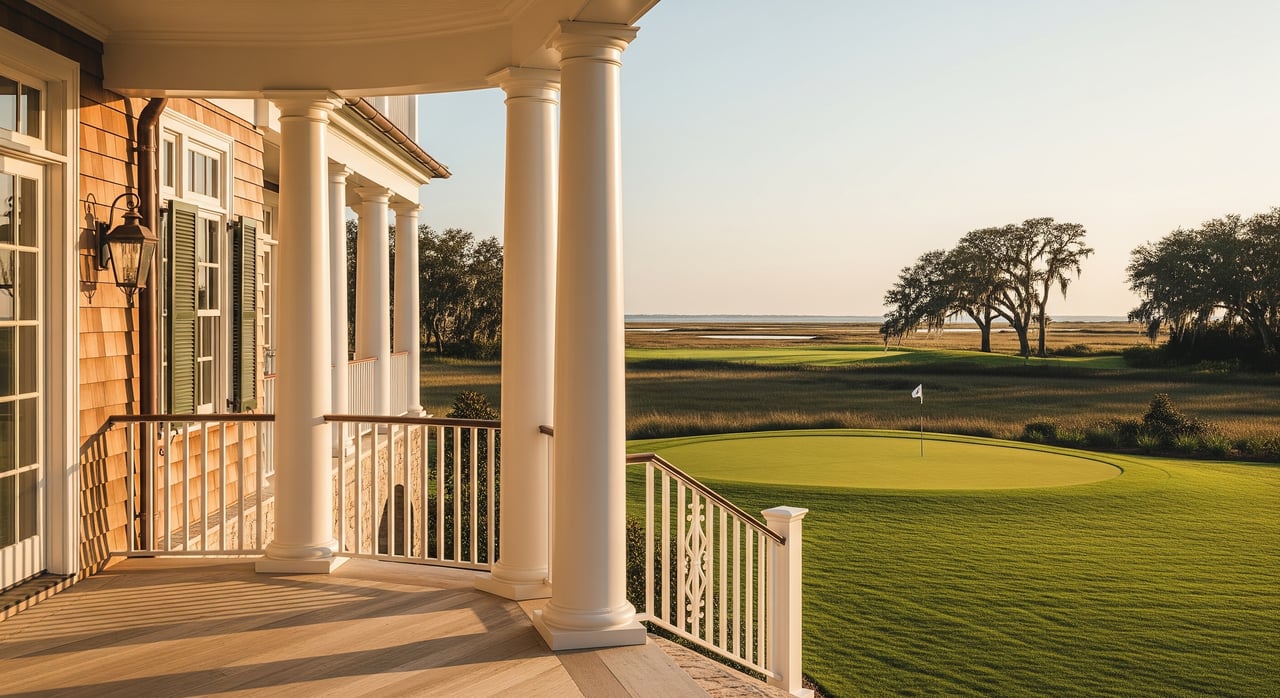
Love the idea of watching a quiet fairway from your back porch, but not sure how much that view is really worth in St. Simons Island Club? You are not alone. Whether you are considering a sale or weighing a premium as a buyer, golf-course frontage can be a meaningful value driver when it is the right fit and properly priced. This guide walks you through how frontage, view quality, and proximity to tees and greens influence value inside St. Simons Island Club, plus a clear framework to read comps and make confident decisions. Let’s dive in.
What drives golf frontage value
Direct frontage: benefits and tradeoffs
When your lot backs to a fairway or green, the big advantages are open views, a sense of privacy, and the security that nothing will be built behind you. Those qualities attract buyers who want a scenic, low-density backdrop. The tradeoffs are real: errant ball strikes, possible noise from carts and players, and maintenance activity near easements and cart paths. In many coastal resort communities, direct frontage supports a premium versus similar interior lots, but the size of that premium depends on buyer demand and the specific hole and view.
View corridors vs partial views
A full, unobstructed fairway or green view is typically more valuable than a partial or interrupted view. Sightlines that extend beyond the course to water or marsh can add appeal if they are truly preserved. Orientation matters too. Western views capture sunsets, while eastern views may offer softer morning light. The best setups balance light, privacy, and a framed, uninterrupted view corridor.
Proximity to tees and greens
Homes directly beside tee boxes or greens can feel close to the action, which appeals to some golfers. That same closeness can also bring more noise and higher ball strike risk, and may reduce privacy. Many buyers prefer mid-fairway frontage that is not adjacent to a tee or green. Downrange locations near greens can experience gatherings of players and more maintenance presence, so value can vary with the design of the hole and daily activity.
Orientation, privacy, and landscaping
Sun exposure and prevailing coastal winds affect livability and outdoor enjoyment. Mature landscaping that screens risk while preserving the view is a plus. Slight elevation changes that improve line of sight without increasing exposure can also help. Simple, tasteful landscape updates can enhance privacy and view clarity without violating HOA or club rules.
Course quality and club access
Well-maintained, visually interesting courses support stronger premiums for golf-front homes. If a course is perceived to be in decline, the golf premium can shrink. Membership structure, access, and amenities also shape demand. Private or limited-access clubs usually broaden buyer appeal, and strong amenities like a clubhouse, dining, and practice facilities can reinforce value. Always confirm the current membership rules, availability, and dues before you price or write an offer.
Reading comps the right way
Step-by-step approach
- Pull the last 12 to 24 months of sales inside St. Simons Island Club, with the heaviest weight on closed sales.
- Sort into three groups: direct golf-course frontage, golf-view or partial view, and interior lots with no golf influence.
- Segment again by size, beds and baths, lot size, age, and condition to keep apples with apples.
- Use paired sales when possible. Look for very similar homes where the key difference is frontage vs interior to estimate an implied premium.
- If you have enough data, consider a per-square-foot comparison across each group to cross-check your paired sales.
Adjustment checklist
Use a simple two-part model: base home value for the structure on a typical interior lot, plus or minus a lot premium for golf attributes.
- Structure: square footage, bed and bath count, age, updates, condition, garage, porches, outdoor living.
- Lot and location: frontage vs partial vs interior, distance to tee or green, view quality and angle, privacy screening, orientation to sunrise or sunset, elevation and flood zone, distance to clubhouse and amenities, exposure to ball strikes and any mitigation.
- Carry costs and risks: HOA dues, optional or required club fees, flood and wind insurance, and any maintenance obligations within course buffers.
Communicate premiums with confidence
Frontage is not a substitute for quality. Most of the value still comes from size, condition, and functionality. Present your findings with examples and disclose sample size and variability. If only a few paired sales exist, say so. Explain how view quality and proximity to tees or greens changed value in each example. Transparent framing builds trust and helps both sides understand the premium you are adding or subtracting.
Common pitfalls in this community
- Leaning on active listings instead of closed sales. List prices are not proof of value.
- Drawing big conclusions from a tiny set of golf-front sales. Small samples can skew results.
- Ignoring flood elevation, insurance costs, or recent renovations that explain price differences more than the golf view.
- Assuming all buyers value tee-side proximity. Many prefer privacy and mid-fairway positions.
Seller playbook: positioning your golf-front home
- Gather documents. A recent survey, elevation certificate, HOA and club documents, and any records of ball strike repairs help buyers underwrite your property.
- Improve view corridors. Thoughtful pruning can open sightlines while respecting HOA rules. Document any allowed landscape changes.
- Address risk concerns. If ball strikes have occurred, repair damage and disclose history. Ask about allowed mitigations, like strategic plantings.
- Tell the story. Note the hole number, orientation, and key view features in marketing. Use photos that clearly show unobstructed lines and aerials that highlight your position on the course.
- Price with a clear premium. Break out your logic and reference paired sales. A simple explanation of how much value you attribute to frontage helps buyers understand your price.
Buyer playbook: paying the right premium
- Verify the view. Walk the property at different times of day. Stand near the tee and green to gauge noise, traffic, and privacy.
- Ask about incidents. Request any history of ball strikes and look for marks on siding, windows, or fencing.
- Review easements and setbacks. Understand maintenance corridors, cart paths, and any rights the course or HOA has behind the lot.
- Underwrite insurance. Get quotes for wind and flood coverage, and check flood zone and elevation. Coastal carrying costs can change the math.
- Confirm club details. Ask about membership availability, initiation and dues, and any plans for course maintenance or renovations that could affect views.
- Align comps to your home. Compare to sales with similar square footage, condition, and view quality before assigning a premium.
Risk, insurance, and legal considerations on the coast
- Flood and wind. Coastal Georgia owners commonly carry flood and windstorm coverage. Elevation certificates can materially affect premiums.
- Deductibles. Wind and hurricane deductibles can be higher near the coast. Ask for quotes early to avoid surprises.
- Liability. Understand potential liability for ball strikes and review any disclosures or indemnities from the club or HOA.
- Appraisal. For financed purchases, use a local appraiser with experience in golf properties. Ask how they account for view and frontage premiums.
Putting it all together
In St. Simons Island Club, golf-course frontage can add real value when the view is strong, privacy is maintained, and carrying costs are well understood. The best results come from disciplined comps sorting, honest adjustment for view and proximity, and clear communication about tradeoffs. Whether you are preparing to list or deciding how much to pay, a step-by-step approach will help you price with confidence and avoid costly misreads.
If you want a local, advisory partner to help you evaluate frontage premiums and market timing inside St. Simons Island Club, connect with GK Real Estate Advisors for tailored guidance and a data-backed plan. Start with a complimentary home valuation or a buyer consult, and we will map the path from goal to closing.
Ready to talk? Reach out to GK Real Estate Advisors to get started today.
FAQs
Do golf-front homes in St. Simons Island Club usually sell for more?
- Often yes, but the premium depends on view quality, proximity to tees and greens, course condition, and overall buyer demand at the time of sale.
How should I adjust a comp for a home right beside a tee box?
- Compare to similar sales not adjacent to tees and consider both noise and ball strike risk; the effect can be positive for some golfers and negative for others.
What matters more for value: golf view or interior upgrades?
- Size, condition, and functionality typically drive most of the price; golf frontage is an incremental premium layered on top of a well-presented home.
What coastal risks can offset a golf premium in Glynn County?
- Flood elevation, higher wind and flood insurance costs, frequent ball strikes, visible maintenance activity, and any planned course changes can reduce or offset a premium.
What due diligence should I do before offering on a golf-front home?
- Confirm view corridors, ball strike history, easements and setbacks, flood zone and insurance quotes, membership details, and on-site noise and privacy at peak play times.