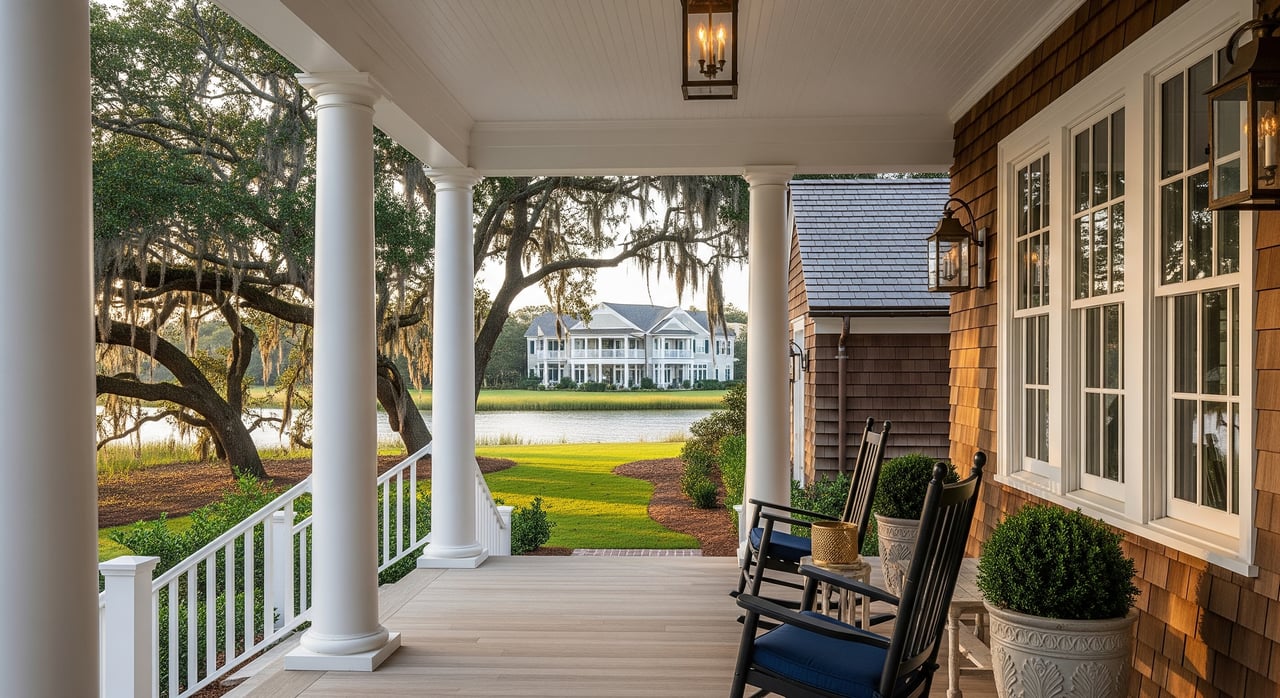
Torn between a classic Sea Island cottage and a lock-and-leave condo? You’re not alone. Each option offers a distinct mix of space, maintenance, insurance, and access to resort amenities that can shape your daily life and long-term costs. In this guide, you’ll learn the key differences, coastal-specific considerations, and a simple decision framework tailored to Sea Island in Glynn County. Let’s dive in.
Sea Island ownership 101
Sea Island offers both fee simple cottages and condominium units. With a cottage, you typically own the land and structure and take on most exterior care. With a condo, you own the interior of your unit while the association manages shared elements like roofs, siding, and landscaping.
Sea Island is a private, gated resort community with managed amenities. Many properties, whether cottages or condos, are subject to community covenants, HOA rules, architectural reviews, and Sea Island Club or resort access overlays. These layers can affect use, rentals, modifications, and guest access, so you’ll want to review each property’s specific documents.
Cottages: space, privacy, control
Cottages often provide more outdoor room, private yards, and separation from neighbors. That flexibility suits owners who want outdoor living, storage for gear, or the option to add features like decks or a private pool, subject to approvals. You’ll generally handle more of the day-to-day and long-range upkeep.
Cottage maintenance and lifecycle
As a cottage owner, you typically manage yard care, exterior paint, roof and structural repairs, driveways, pest control, and any private pool or seawall. Coastal realities matter: salt air can corrode metals and HVAC components, and humidity can lead to moisture and wood-rot issues. Budget for periodic big-ticket items like roof replacement and plan for inspections after major storms.
Cottage costs and fees
Cottages may carry community or HOA dues for shared services, but most physical maintenance remains your responsibility. Property taxes are levied by Glynn County, and ongoing costs can vary year to year based on projects and repairs. Insurance needs can be broader, since you insure the entire structure rather than just the interior.
Condos: convenience, services, predictability
Condos on Sea Island favor owners who want turnkey living and proximity to shared amenities. You typically trade some privacy and outdoor space for professional building care and integrated services.
What condo dues usually cover
Association fees often fund exterior building maintenance, common-area landscaping, master insurance policies, reserves, and management. They may also support amenities like pools, common utilities, and elevators where applicable. Plan for monthly dues and confirm whether any special assessments are expected.
Condo ownership details
You usually insure the interior of your unit while the association holds a master policy on the building. Review what the master policy covers and where your HO‑6 policy should pick up, including loss assessment coverage. Lender rules can differ for condos, especially around owner-occupancy rates and building financials.
Costs and budgeting on the coast
Purchase prices on Sea Island vary widely by location, lot or unit size, and proximity to resort amenities or water. Cottages can command premiums for larger lots and private features, while high-end condos with top-tier views and services can also be costly. Your total cost of ownership will depend on how you balance dues, maintenance, and insurance.
- Cottages: Variable maintenance costs and often higher hands-on care. Utilities and insurance can be larger line items.
- Condos: Predictable monthly HOA dues, but potential for special assessments tied to capital projects.
- Both: Property taxes from Glynn County and any applicable membership or access fees. Always review association budgets, reserve studies, and recent meeting minutes before you buy.
Insurance and regulation essentials
Sea Island is coastal, so insurance and permitting deserve extra attention. Cottage owners usually carry homeowners policies for the full structure. Condo owners carry HO‑6 policies for interiors and personal property, while the association holds a master policy for common elements. In both cases, verify wind and named-storm deductibles and consider flood insurance where required or prudent.
Parts of Sea Island are likely in FEMA flood zones, which can trigger lender-required flood insurance. Building codes and coastal regulations may influence elevation, wind-load standards, and exterior changes. Expect to seek HOA and architectural review approvals for many exterior modifications.
Amenities and access differences
Condos often include direct access to shared amenities like pools, fitness areas, and managed services folded into dues. Cottages can offer greater independence, private pools, and larger decks, though you may be farther from centralized services. Sea Island Club membership and resort access may be available across both property types, with differences in fees, guest policies, and reservation priority. Confirm specifics for each property and membership type.
Use patterns and rental potential
Condos tend to suit second-home owners seeking easy, lock-and-leave living and streamlined rental management where allowed. Cottages often fit year-round living or longer stays, offering more room to spread out. Short-term rental rules vary by HOA, Sea Island Club or resort overlays, and Glynn County ordinances, including licensing and tax requirements. Confirm minimum stays, occupancy caps, and any local compliance steps before assuming rental income.
Decision framework: cottage vs condo
Use the prompts below to quickly match your goals with the right property type.
Choose a cottage if you:
- Want privacy, a yard, and space for outdoor living or gear.
- Prefer control over your property and are comfortable managing vendors.
- Plan longer stays or year-round living with room to grow.
- Accept variable maintenance costs and are prepared for coastal upkeep.
Choose a condo if you:
- Value convenience, predictable dues, and professionally managed buildings.
- Want proximity to shared amenities and a low-maintenance lifestyle.
- Plan seasonal use or a lock-and-leave setup with potential for rentals where allowed.
- Prefer to avoid major exterior projects and reserve planning yourself.
Buyer due diligence checklist
Before you write an offer, review these essentials for Sea Island:
- Ownership docs: deed type, covenants, restrictions, plats, easements.
- Association docs: bylaws, CC&Rs, recent minutes, budgets, reserve study, insurance policies, and any pending special assessments.
- Club and resort overlays: membership requirements, guest access policies, reservation systems, and recurring fees.
- Insurance quotes: homeowners or HO‑6, flood, and wind; verify deductibles and coverage limits.
- Flood and elevation: check FEMA mapping and any elevation certificates; ask about prior flood claims.
- Inspections: termite, mold, roof, HVAC, and septic or sewer status as applicable.
- Storm resilience: impact windows or shutters, elevated utilities, generator, and backflow prevention.
- Maintenance records: roof age, seawall status, and major repairs for cottages; recent capital projects and reserve balances for condos.
- Financing: confirm lender requirements for the property type, including condo association certification and second-home or investment terms.
- Rentals: confirm HOA, resort, and county rules for short-term rentals, licensing, and taxes.
Which is right for you?
If you picture morning coffee on a private deck and space for guests, a cottage may fit your vision. If you picture stepping out to the pool and leaving building care to a manager, a condo may be a better match. The best choice aligns your lifestyle, budget, and risk comfort with the unique overlays of Sea Island living.
When you are ready to compare specific properties, connect with a local advisor who can walk you through association documents, insurance quotes, and recent neighborhood sales. If you want a smart, low-stress path from first tour to closing, reach out to GK Real Estate Advisors. We’ll help you evaluate options and move forward with clarity.
FAQs
What are the main cost differences between a Sea Island cottage and a condo?
- Cottages have variable maintenance and full-structure insurance, while condos have predictable monthly dues and a master policy, with potential for special assessments.
How do flood zones affect buying on Sea Island?
- Properties in FEMA flood zones often require flood insurance from lenders; review maps, elevation certificates, and insurer deductibles before you buy.
What does a condo association usually cover on Sea Island?
- Associations typically handle exterior maintenance, common-area landscaping and utilities, master insurance, reserves, and professional management.
Can I rent out my Sea Island property short term?
- It depends on HOA and resort overlays plus county rules; confirm minimum stays, licensing, occupancy limits, and applicable taxes for each property.
What approvals do I need to renovate a Sea Island cottage?
- Expect local permitting and community architectural review, especially for exterior changes; coastal regulations and building codes also apply.
What insurance should a Sea Island condo owner carry?
- Most condo owners carry an HO‑6 policy for interior finishes, personal property, liability, and loss assessment, complementing the building’s master policy.