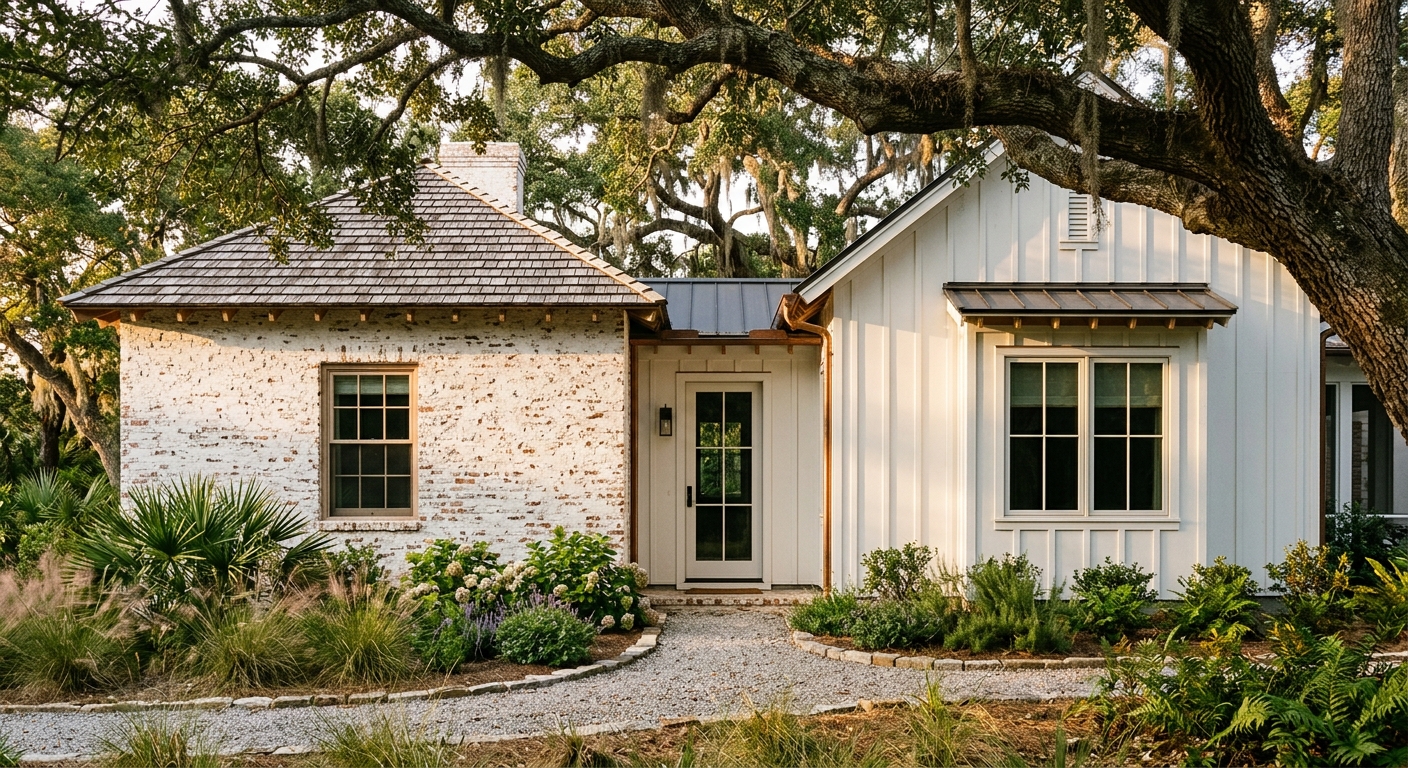
Wondering whether an older or newer home is the smarter buy on St. Simons Island? It is a fair question, especially in a coastal market where charm, maintenance, flood considerations, and long-term ownership costs can all shape your experience. If you are weighing character against convenience, this guide will help you compare both options in a practical, local way. Let’s dive in.
Why This Choice Matters on St. Simons
Buying on St. Simons Island is rarely just about square footage or finishes. It is often about how a home fits your lifestyle, your upkeep tolerance, and your long-term plans in a higher-value coastal market.
Local housing data helps explain why this decision carries weight. In St. Simons, the owner-occupied housing rate is 85.9%, the median owner-occupied home value is $555,600, the median household income is $108,771, and 37.8% of residents are age 65 and older. That points to a market where many owners stay for the long haul, which makes condition, maintenance planning, and ownership costs especially important.
Older Homes Offer Character and Setting
Older homes on St. Simons often appeal to buyers who want a more established feel. You may find mature trees, deeper local character, and a setting that reflects the island’s long history and residential charm.
That mature setting can be part of the value. Glynn County continues to administer tree-canopy preservation on St. Simons through approved tree plans, which helps explain why established landscaping remains such a visible part of the island’s look and feel.
For many buyers, an older home also offers the possibility of renovation upside. If you are comfortable improving a property over time, an older home may give you a chance to personalize the space while buying into a well-established area.
Older Homes Need Closer Due Diligence
The trade-off is that older homes usually require more careful inspection. Key areas to review include the roof, windows, walls and ceilings, electrical systems, HVAC, plumbing, insulation, structural components, attic areas, and crawlspaces.
On a coastal island, moisture deserves extra attention. Water can enter through leaks or seepage, and moisture can support mold growth, so signs of water intrusion, drainage issues, or past repairs should never be brushed aside.
Crawlspaces, grading, and roof drainage matter more than many buyers expect. In older coastal homes, these details can reveal whether the property has been consistently maintained or whether hidden issues may be waiting.
Pest risk also deserves a separate look. Standard home inspections do not determine the presence of termites, mold, or many hidden conditions, so an older property may benefit from specialty inspections depending on what your inspector finds.
Newer Homes Offer More Predictability
Newer homes usually attract buyers who want fewer immediate projects and a cleaner starting point. On St. Simons, that often means more modern layouts, newer systems, and fewer unknowns than you might find in an older property.
A newer home may also align more closely with current local code requirements. Glynn County enforces adopted federal, state, and local codes, and its current construction-code list includes the 2024 IBC and IRC, while Georgia lists the 2024 IBC and IRC with Georgia amendments as mandatory.
That can bring peace of mind, but it should not replace due diligence. A newer home still needs a careful inspection, a review of permit history, and a clear understanding of how the lot handles drainage and moisture.
Newer Does Not Always Mean Efficient
One of the biggest mistakes buyers make is assuming that a recent build is automatically highly efficient. On St. Simons, that is not always a safe assumption.
Glynn County’s current energy code remains the 2015 IECC with Georgia supplements and amendments. That means a newer home may meet the required baseline, but buyers should still ask for actual insulation details, air-sealing information, HVAC age and sizing, ventilation specs, and any available testing or warranty documents.
In other words, a newer home may be newer, but you still want proof of performance. If energy costs and comfort matter to you, documentation matters more than assumptions.
Floodplain Rules Can Affect Both Options
On St. Simons Island, flood-zone status matters whether a home is fifty years old or newly built. Floodplain development and alterations require permits in Glynn County, and floodplain permits require an elevation certificate.
This is especially important if you are considering an older home that may need major updates. Glynn County says that if improvements in the floodplain reach 50% of market value, the building can be required to meet new-construction standards.
That can significantly change your renovation budget and timeline. A home that seems like a simple remodel opportunity can become a more complex project once floodplain rules enter the picture.
Newer homes are not exempt from flood-related due diligence either. Flood insurance rates depend on flood zone, and buyers can check flood status through the county GIS property map and records search.
Drainage and Moisture Matter More Than Age
If there is one takeaway that stands out on St. Simons, it is this: age alone does not tell you whether a home is a better buy. A well-maintained older home with a solid drainage profile may be a better long-term fit than a newer home with grading issues.
Glynn County maintains stormwater and drainage infrastructure year-round, and the county has also begun shoreline revetment rehabilitation on St. Simons because of coastal erosion and storm impacts. That local context is a reminder that coastal ownership always comes with site-specific questions.
When you compare homes, pay close attention to how water moves around the property. Roof runoff, lot grading, crawlspace conditions, and signs of prior moisture issues can all affect your future costs and comfort.
Tree Rules Can Shape Future Plans
Mature trees are one of the things many buyers love most about St. Simons. They can add beauty, shade, and an established island feel that is hard to replicate.
They can also affect what you do with the property later. Glynn County’s tree-canopy preservation framework can influence additions, site work, and redevelopment plans, so it is wise to understand those limits before buying if you expect to expand or significantly change the property.
This can matter with both older and newer homes, but it often comes up more with older lots that have more established landscaping. If future flexibility matters to you, ask early rather than later.
Questions to Ask Before You Buy
The right questions can help you compare homes more clearly and avoid surprises after closing. Whether you lean older or newer, it helps to look beyond finishes and focus on the property’s documentation, condition, and site characteristics.
Questions for the inspector
- Do you see roof wear, leaks, or signs of water intrusion?
- Are there cracks, settlement signs, or structural concerns in the walls, ceilings, or framing?
- Is the crawlspace dry, and do you see signs of drainage, moisture, or mold concerns?
- Do the windows seal and operate properly?
- Is the attic insulation adequate, and do you see signs of past roof leakage?
- Do you recommend separate termite, mold, or specialty moisture inspections?
- If the property has a dock, seawall, deck, or other waterfront feature, who should inspect it separately?
Questions for the builder or seller of a newer home
- What code edition was the home built to?
- Were all permits finaled?
- Can you provide permit history and final inspection records?
- What are the insulation, HVAC, and ventilation specifications?
- What grading or drainage measures were built into the lot?
- Are there warranties for the roof, systems, structure, or workmanship?
- If the property is in or near a floodplain, is there an elevation certificate?
Questions for your agent
- Is the property in a flood zone, and what does the county GIS map show?
- Has the home had flood claims, drainage complaints, or repetitive-loss issues?
- Were prior renovations or additions properly permitted?
- Are there tree-canopy, site-coverage, HOA, or design-review restrictions that could affect future changes?
- Are there nearby county drainage or shoreline projects that could affect timing, access, or long-term maintenance expectations?
Which Home Type Fits You Best?
An older home may be the better fit if you value character, established surroundings, and the chance to improve a property over time. It can also make sense if you are comfortable budgeting for maintenance and doing deeper due diligence upfront.
A newer home may be the stronger choice if you want a more predictable starting point, updated systems, and fewer immediate projects. It may also appeal to you if you prefer modern layouts and want fewer condition-related unknowns early on.
In the end, the better buy on St. Simons is usually not simply the older home or the newer home. It is the property with the clearest permit history, the better flood and drainage profile, the strongest inspection findings, and the ownership costs that align with your goals.
If you are comparing homes on St. Simons Island and want a clear, local perspective on how condition, floodplain factors, and long-term value fit together, GK Real Estate Advisors can help you evaluate your options with confidence.
FAQs
Is an older home on St. Simons Island riskier to buy?
- An older home is not automatically riskier, but it usually needs closer review of moisture, drainage, crawlspaces, roofing, systems, and permit history.
Do newer homes on St. Simons Island have lower maintenance costs?
- Newer homes often have fewer immediate repair needs, but they still need inspection and documentation review, especially for drainage, HVAC, roofing, and flood-zone considerations.
How do floodplain rules affect older homes on St. Simons Island?
- In Glynn County, if floodplain improvements reach 50% of market value, the home can be required to meet new-construction standards, which can increase renovation scope and cost.
Should you assume a newer St. Simons Island home is energy efficient?
- No. You should ask for actual insulation, air-sealing, HVAC, ventilation, and warranty details rather than assuming a recent build performs efficiently.
What matters most when comparing older vs. newer homes on St. Simons Island?
- The most important factors are usually flood-zone status, drainage, moisture management, inspection results, permit history, and whether long-term ownership costs fit your budget and lifestyle.